
A manufacturing facility can either strengthen your business for decades or quietly become a constant source of operational inefficiency. Many companies focus too heavily on land prices while overlooking factors such as logistics access, labor readiness, infrastructure quality, and long-term scalability.
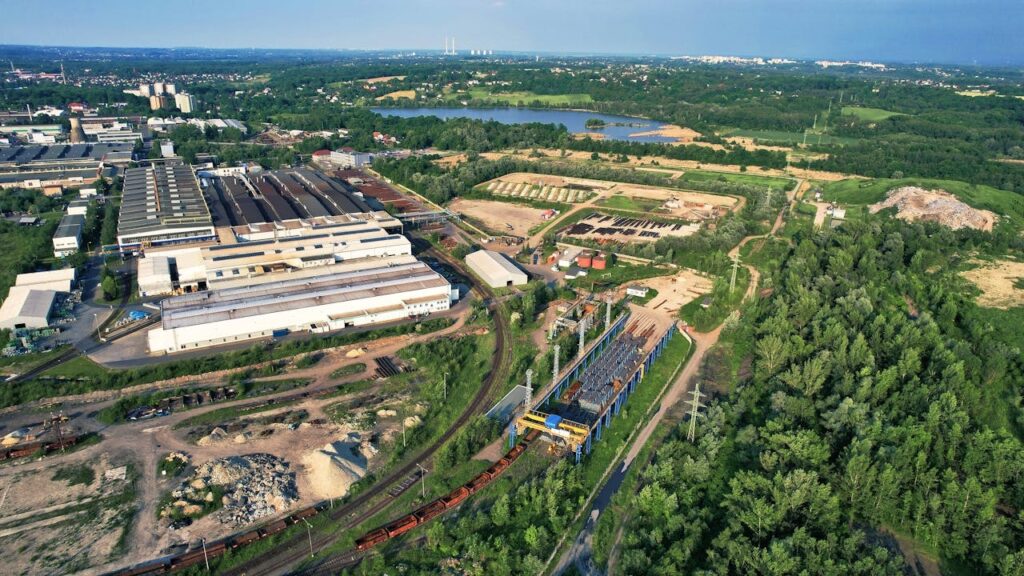
In reality, choosing the right manufacturing location is not simply about finding available industrial land. It is about creating a production ecosystem that supports efficiency, stability, and future expansion.
Businesses that carefully evaluate these elements early are usually more prepared to compete in increasingly demanding global supply chains.
- a manufacturing facility can either strengthen your business for decades or quietly become a constant source of operational inefficiency.
- many companies focus too heavily on land prices while overlooking factors such as logistics access, labor readiness, infrastructure quality, and long-term scalability.
- in reality, choosing the right manufacturing location is not simply about finding available industrial land.
- it is about creating a production ecosystem that supports efficiency, stability, and future expansion.
Daftar Isi
- What Is a Manufacturing Location?
- Key Factors in Choosing a Manufacturing Location
- Labor Cost and Workforce Availability
- Logistics and Supply Chain Access
- Infrastructure Readiness
- Utilities and Energy Stability
- Looking for the Best Manufacturing Location in Indonesia?
- Regulatory Environment
- Cost Considerations in Manufacturing Location
- Fixed Costs vs Operational Costs
- Hidden Costs That Businesses Often Ignore
- Scalability and Future Expansion
- Land Availability for Expansion
- Long-Term Industrial Planning
- Common Mistakes to Avoid
- Choosing Based Only on Cheap Pricing
- Ignoring Logistics Performance
- Overlooking Workforce Compatibility
- Inadequate Site Due Diligence
- Manufacturing Location vs Site Selection
- Strategic Manufacturing Location
- Tactical Site Selection
- Final Checklist Before Making a Manufacturing Decision
- Workforce and Labor
- Logistics and Transportation
- Infrastructure and Utilities
- Regulatory Environment
- Scalability and Long-Term Cost
- FAQ
- What is a manufacturing location?
- How do businesses choose a manufacturing location?
- Why is logistics important in manufacturing?
- Is Indonesia a good manufacturing destination?
- Discover Subang Smartpolitan
- Orang Juga Mencari
- Jelajahi Topik Terkait & Referensi Populer
- 📂 Kategori Solusi
- 🔎 Saran Kata Kunci
- 🔥 Paling Banyak Dibaca
- Bagikan Artikel & Dapat Reward
What Is a Manufacturing Location?
Abest manufacturing location in indonesia Location is a dedicated area where industrial production activities take place. It is where raw materials, machinery, technology, and labor are combined to produce finished goods for domestic or international markets.
The location itself influences many operational aspects, including
- Distribution speed
- Production costs
- Labor access
- Utility reliability
- Supply chain efficiency
- Regulatory compliance
A strategically selected location can improve production performance and reduce operational risk. On the other hand, a poorly selected site may create ongoing challenges such as transportation delays, higher utility expenses, labor shortages, and expansion limitations.
Key Factors in Choosing a Manufacturing Location
Every manufacturing operation has different priorities, but several core factors consistently determine whether a site can support long-term industrial success.
Labor Cost and Workforce Availability
One of the most critical considerations is workforce readiness. A factory may have advanced machinery and automation systems, but without qualified workers, production efficiency becomes difficult to maintain.
Manufacturers should evaluate
- Local labor availability
- Technical skill levels
- Wage competitiveness
- Employee retention potential
- Access to vocational training centers
Regions with a strong industrial workforce often provide greater operational stability and lower long-term recruitment costs.
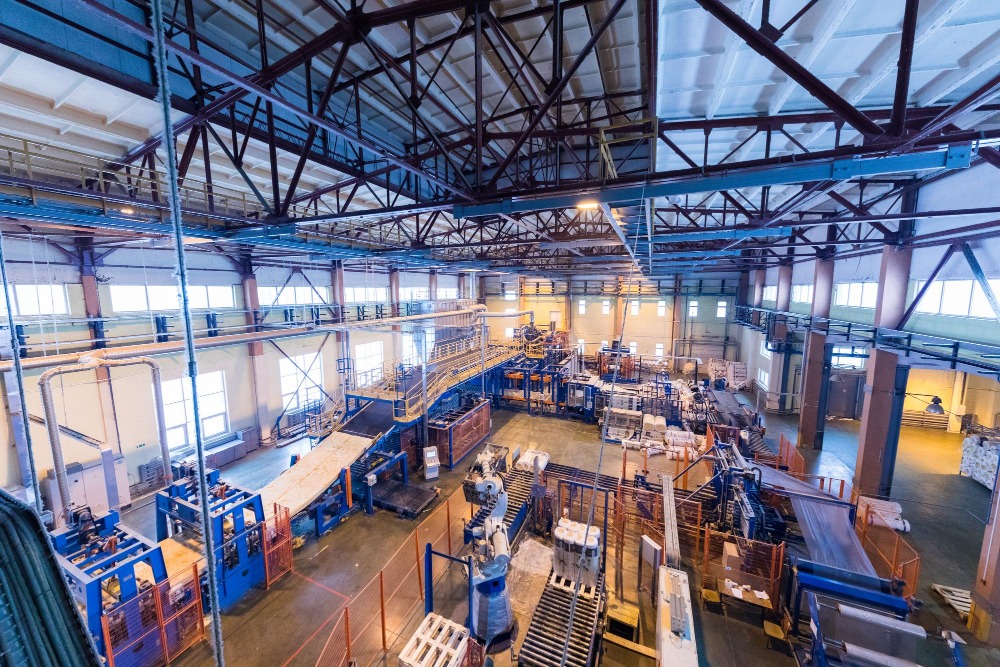
Logistics and Supply Chain Access
Transportation efficiency directly affects production timelines and profitability. Manufacturing businesses depend heavily on smooth movement between suppliers, factories, warehouses, and customers.
An ideal manufacturing location should offer
- Easy access to highways and toll roads
- Proximity to ports and airports
- Reliable freight infrastructure
- Shorter delivery times
- Efficient regional connectivity
Poor logistics access can increase transportation expenses and create unnecessary delays across the supply chain.
Infrastructure Readiness
Industrial infrastructure is another major factor that businesses often underestimate during early planning stages.
A modern manufacturing facility requires
- Stable road access
- Reliable telecommunications
- Industrial-grade utilities
- Drainage systems
- High-capacity transportation networks
Even small infrastructure limitations can affect production efficiency over time. Manufacturers generally benefit from locations that are already designed to support industrial-scale operations.
Utilities and Energy Stability
Power interruptions can create serious production losses, especially for industries that rely on continuous operations or automated systems.
Before selecting a manufacturing location, companies should assess
- Electricity reliability
- Water supply capacity
- Internet connectivity
- Backup utility support
- Future utility expansion plans
A stable utility ecosystem helps manufacturers reduce operational disruptions and maintain consistent productivity.
Looking for the Best Manufacturing Location in Indonesia?
Discover how Subang Smartpolitan supports long-term manufacturing growth with strategic connectivity, modern infrastructure, and scalable industrial land.
best manufacturing location in indonesia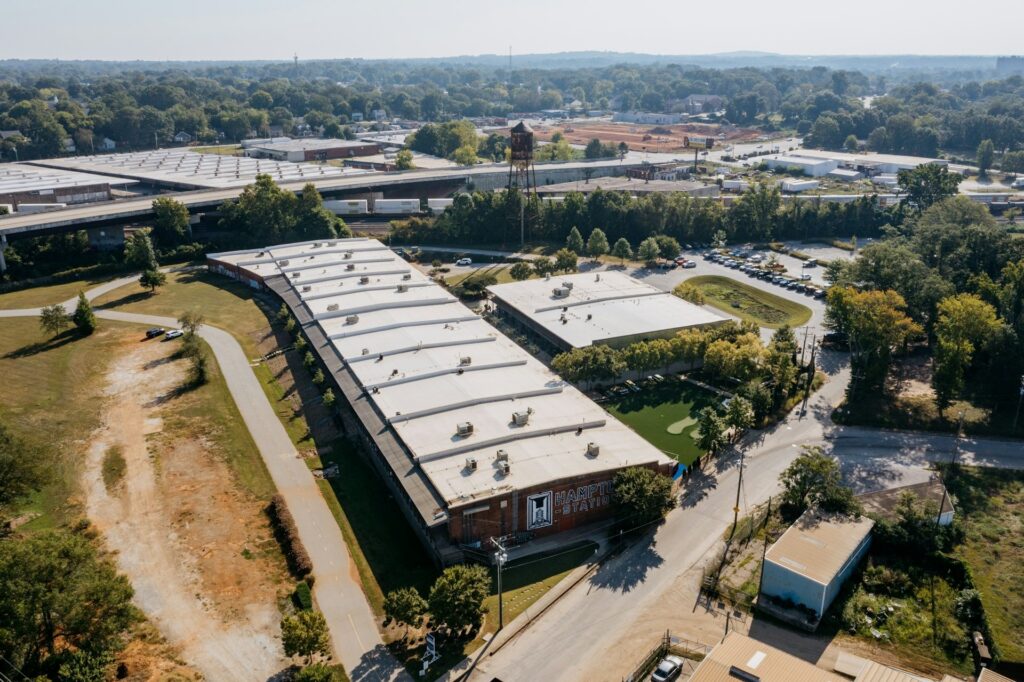
SourceUnsplash/Alex Reynolds
Regulatory Environment
Different regions may offer different business environments, investment incentives, and licensing procedures.
Manufacturers should understand
- Local industrial regulations
- Zoning compliance
- Environmental requirements
- Tax structures
- Permit processing timelines
A supportive regulatory environment often helps businesses accelerate project development while reducing administrative complexity.
Cost Considerations in Manufacturing Location
Manufacturing costs extend far beyond the initial purchase price of industrial land.
Companies that focus only on upfront investment often face larger operational expenses later.
Fixed Costs vs Operational Costs
Fixed costs usually include
- Land acquisition
- Facility construction
- Machinery installation
- Initial infrastructure setup
Operational costs include
- Labor wages
- Electricity usage
- Transportation expenses
- Maintenance
- Utility consumption
A lower-cost location may initially appear attractive, but higher long-term operational expenses can reduce profitability over time.
Hidden Costs That Businesses Often Ignore
Some manufacturing sites seem affordable until operational realities become visible after production begins.
Common hidden costs include
- Traffic congestion delays
- Inadequate road access
- Workforce retraining expenses
- Flood mitigation improvements
- Environmental compliance adjustments
- Infrastructure upgrades
Thorough due diligence helps businesses avoid unexpected financial burdens later.
Scalability and Future Expansion
A manufacturing site should support not only current production targets but also future business growth.
Land Availability for Expansion
Manufacturers that experience rising demand often need
- Additional warehouse space
- Larger production lines
- Expanded logistics areas
- Supporting operational facilities
A location with limited expansion potential may eventually force businesses to relocate, creating unnecessary operational disruption.
Long-Term Industrial Planning
Long-term planning involves evaluating how the surrounding industrial environment may evolve over the next decade.
Businesses should consider
- Regional infrastructure development
- Population growth
- Future industrial zoning plans
- Government investment programs
- Utility expansion projects
Locations that align with future industrial development trends usually offer stronger long-term value.
Common Mistakes to Avoid
Many manufacturing projects encounter operational difficulties because critical site selection factors were overlooked during the planning stage.
Choosing Based Only on Cheap Pricing
Low land prices can sometimes hide larger operational risks.
A cheap manufacturing site may lack
- Skilled labor
- Proper logistics access
- Utility stability
- Expansion flexibility
Over time, these weaknesses can create operational costs that exceed any initial savings.
Ignoring Logistics Performance
Some industrial sites appear attractive during early evaluation but later create transportation inefficiencies.
Manufacturers should carefully analyze
- Freight movement routes
- Port accessibility
- Delivery lead times
- Seasonal transportation risks
Logistics inefficiency can significantly affect competitiveness.
Overlooking Workforce Compatibility
A region may have available labor but still lack the technical skills required for modern industrial operations.
Without workforce alignment, companies often experience
- Higher training costs
- Lower production efficiency
- Increased employee turnover
Evaluating labor quality is just as important as evaluating labor quantity.
Inadequate Site Due Diligence
Before finalizing a manufacturing location, businesses should carefully assess
- Land ownership status
- Soil conditions
- Flood risks
- Environmental restrictions
- Construction feasibility
Skipping technical due diligence can result in expensive project delays later.
Manufacturing Location vs Site Selection
Although often treated as the same process, manufacturing location strategy and site selection are actually two different stages.
Strategic Manufacturing Location
This stage focuses on selecting the broader geographic region that best supports the company’s long-term business strategy.
Key considerations include
- Market access
- Industrial ecosystem
- Workforce availability
- Regulatory conditions
- Investment climate
Tactical Site Selection
After choosing the broader region, businesses evaluate the specific industrial site itself.
This stage focuses on
- Land specifications
- Utility access
- Engineering feasibility
- Infrastructure capacity
- Facility readiness
Both stages are important for reducing operational risks and ensuring long-term efficiency.
Final Checklist Before Making a Manufacturing Decision
Before committing to a manufacturing facility, businesses should evaluate several critical areas carefully.
Workforce and Labor
- Skill availability
- Wage competitiveness
- Labor scalability
- Technical workforce readiness
Logistics and Transportation
- Supplier access
- Distribution connectivity
- Port and highway proximity
- Freight efficiency
Infrastructure and Utilities
- Power reliability
- Water supply
- Internet connectivity
- Industrial infrastructure readiness
Regulatory Environment
- Licensing process
- Zoning compliance
- Environmental regulations
- Investment incentives
Scalability and Long-Term Cost
- Expansion potential
- Operational sustainability
- Hidden costs
- Future infrastructure growth
Choosing the right manufacturing location is not only about reducing operational costs. It is about building a long-term foundation that supports business growth, supply chain resilience, and production efficiency in an increasingly competitive market.
Companies that evaluate workforce quality, infrastructure readiness, logistics access, scalability, and regulatory stability from the beginning are usually better positioned to avoid costly operational challenges in the future.
best manufacturing location in indonesiaFAQ
What is a manufacturing location?
A manufacturing location is a physical site where industrial production activities take place, including processing raw materials and producing finished goods.
How do businesses choose a manufacturing location?
Businesses usually evaluate labor availability, logistics access, infrastructure readiness, operational costs, utility stability, and regulatory conditions before selecting a manufacturing site.
Why is logistics important in manufacturing?
Efficient logistics reduce transportation costs, improve delivery speed, and strengthen overall supply chain performance.
Is Indonesia a good manufacturing destination?
Yes. Indonesia has become increasingly attractive for manufacturing investment because of its growing industrial infrastructure, strategic regional position, expanding labor force, and improving transportation connectivity.
Choosing the right manufacturing location is no longer just about finding available industrial land. Modern manufacturers need an ecosystem that can support operational efficiency, logistics connectivity, workforce availability, scalability, and long-term business sustainability.
A strategic industrial location can help companies reduce operational friction, strengthen supply chain performance, and improve future expansion opportunities. This is why many global manufacturers are now prioritizing integrated industrial developments with modern infrastructure and strong regional connectivity.
For businesses looking for the best manufacturing location in indonesia , Subang Smartpolitan offers a future-ready industrial environment supported by toll road access, proximity to major ports and airports, modern infrastructure, and a growing manufacturing ecosystem designed for long-term industrial growth.
Discover Subang Smartpolitan
Explore integrated industrial opportunities designed to support manufacturing efficiency, logistics performance, and scalable business expansion in Indonesia.
best manufacturing location in indonesiaOrang Juga Mencari
Jelajahi Topik Terkait & Referensi Populer
Temukan kategori, kata kunci, dan artikel populer yang relevan untuk membantu Anda memilih solusi terbaik.
📂 Kategori Solusi
🔎 Saran Kata Kunci
Klik kata kunci berikut untuk menemukan pembahasan terkait. Tag ini membantu mesin pencari memahami topik utama artikel.
🔥 Paling Banyak Dibaca
MSM Parking Group adalah penyedia solusi palang parkir, barrier gate, sistem parkir otomatis, semi manless, cashless, RFID, dan digitalisasi parkir terpercaya di Indonesia.
Legal entity: PT MSM Tiga Matra Satria | Area layanan: Indonesia | Kontak: 0851-0095-6600
Konsultasikan kebutuhan barrier gate, semi manless, cashless, RFID, dan sistem parkir otomatis bersama MSM Parking Group.
Konsultasi Sistem Parkir: 0851-0095-6600Tag: google news